
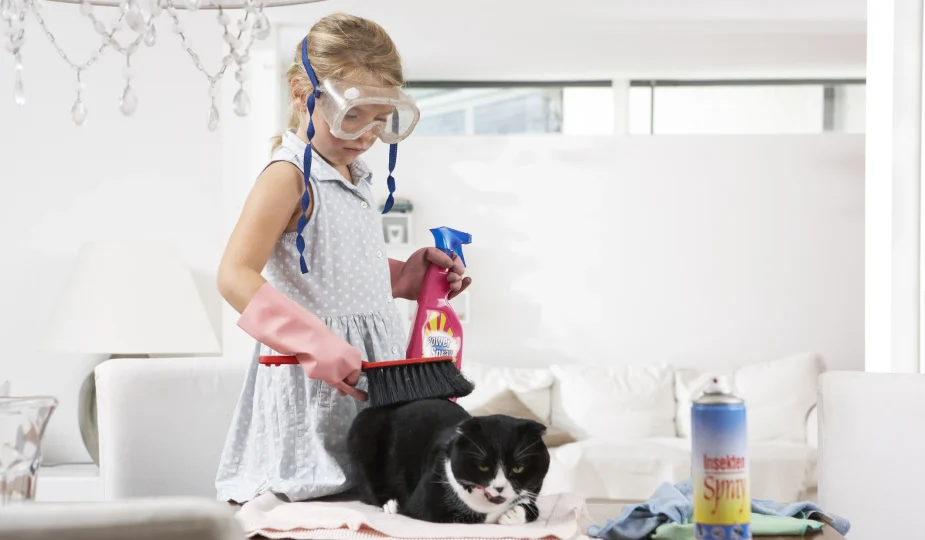
For parents of asthmatic children, the question “Should we keep the cat?” is a deeply emotional one. Pets bring comfort, routine and joy — but they also carry allergens that can trigger respiratory symptoms. A large new study led by researchers at Karolinska Institutet shines fresh light on this dilemma: among over 30,000 Swedish children aged 4–17 with diagnosed asthma or respiratory allergies, living with a cat did not worsen asthma control, increase exacerbations, or impair lung function over a two‑year follow‑up.
What the study looked at
The research analysed health registry data for 30,277 children, comparing outcomes in those who lived with a cat and those who did not. Investigators tracked several clinical indicators: severity category of asthma (moderate or severe), frequency of exacerbations, symptom control, and objective measures of lung function where available. The goal was to determine whether ongoing household exposure to feline allergens was associated with poorer respiratory outcomes.
Key findings — reassuring numbers
In short, the researchers did not find evidence that co‑habiting with a cat made asthma worse in children who already had the condition.
Important nuances — why “no difference” doesn’t mean “no risk”
This study is robust in size and design, but it doesn’t imply that every child with asthma will tolerate a cat without issue. Several key factors remain crucial:
Possible protective effects — a developing picture
Intriguingly, the study joins a body of research suggesting that early, stable exposure to pets might modulate immune development. Some studies propose that living with animals regularly can ‘train’ the immune system and even lower the long‑term risk of some allergic outcomes. Others suggest the opposite in children already sensitised. The truth appears complex: timing, genetics, microbiome influences and the nature of exposure all play a role.
Practical advice for families
When to seek specialist advice
Consult an allergy specialist or paediatric pulmonologist if your child has:
Specialists can help interpret test results, offer targeted immunotherapy options in select cases, and advise on safe ways to keep a pet if desired.
Emotional and quality‑of‑life considerations
Pets often provide emotional support, reduce loneliness and teach responsibility — benefits parents and children experience daily. For many families, the decision to rehome a beloved cat carries real psychological cost. This study offers comforting news for those whose children do not show clear cat‑specific sensitisation: the presence of a household cat alone does not inevitably worsen asthma outcomes.
Takeaway for readers
The research helps untangle a long‑standing concern: while cat allergens can trigger reactions in sensitised individuals, the simple fact of living with a cat does not appear to worsen asthma control at the population level among children already diagnosed. Decisions should remain personalised — guided by allergy testing, clinical history and sensible environmental measures — and always made with both respiratory health and family wellbeing in mind.