When the spotlight is on and the pressure mounts, most of us instinctively hold our breath or speed up our hearts. Last week at a star‑studded benefit in New York, Julia Roberts did something refreshingly simple: she admitted her nerves and led the entire room through a one‑minute grounding exercise. That short, human moment—hand on heart, slow breath—resonated far beyond the Town Hall. For anyone juggling stress, public commitments or just the everyday roar of modern life, it’s a gentle, effective tool worth adopting.
What happened on stage
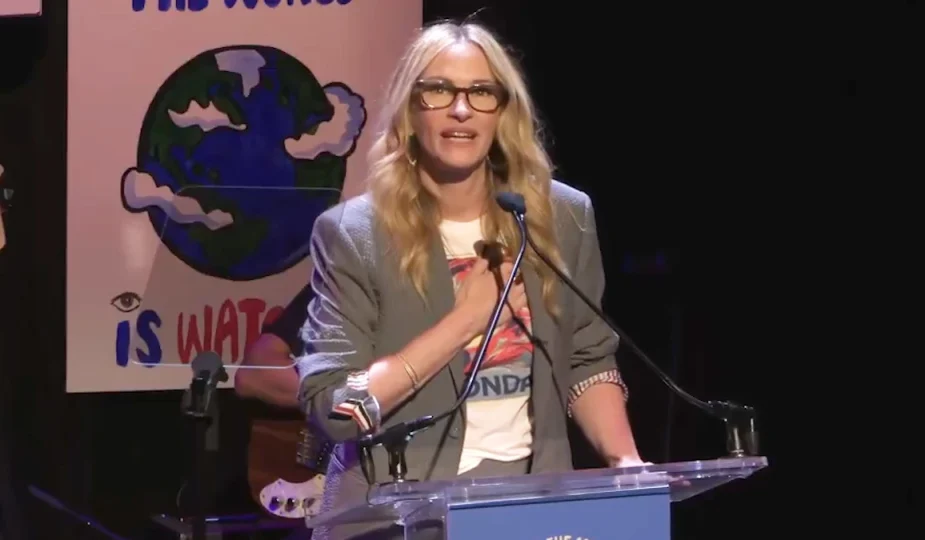
The event was Rise Up, Sing Out: a benefit for the First Amendment, a serious gathering hosted amid an atmosphere of activism and art. Julia Roberts, speaking before an audience that included music legends and activists, confessed that her heart was racing. Instead of pretending calm, she invited everyone to pause. Placing a hand over her heart, she guided the room through a few slow breaths and a simple grounding technique—bringing attention back to the body and the present moment.
Why the hand‑on‑heart gesture works
At first glance the gesture looks symbolic. In practice it has real physiological effects. Touching the chest provides a reassuring tactile cue that helps anchor attention. Paired with prolonged exhalations, this activates the parasympathetic nervous system—the branch that calms the body after fight‑or‑flight reactions. The combination reduces heart rate, lengthens breathing cycles and creates a felt sense of safety. For public figures and private individuals alike, that tiny signal of care can be surprisingly powerful.
A simple breathing routine you can use right now
This 4:6 pattern (shorter inhale, longer exhale) is intentionally unbalanced—extending the out‑breath increases vagal tone and promotes calm more effectively than a symmetric breath. Even one minute can make a difference when anxiety peaks.
How to integrate the ritual into daily life
The beauty of this practice is its accessibility—you can do it at your desk, in a dressing room, in a lift queue or backstage. It’s discreet and requires no props or special training.
Beyond the breath: the power of vulnerability
Julia Roberts’ admission of nervousness mattered because it modelled authenticity. In a culture that praises polished performances, her transparency normalised anxiety. That matters: when a public figure reveals discomfort and offers a coping technique instead of pretending to be unfazed, it reduces stigma and encourages healthier behaviour. For women, who often feel pressure to appear composed at all times, this public display of self‑care is quietly radical.
Variations to try
Who shouldn’t force the technique
For most people, hand‑on‑heart and paced breathing are safe. If you have specific cardiovascular or respiratory conditions, adapt the counts (shorter inhale and exhale) and consult a clinician if in doubt. For those with chronic anxiety, these micro‑practices are helpful complements but not substitutes for professional therapy when needed.
A ritual worth adopting
At Princess‑Daisy we love a low‑effort, high‑impact wellbeing habit—especially one that can be performed between inboxes, school runs and meetings. This small ritual—hand on heart, a few mindful breaths—offers an immediate return: calm, clarity and a kinder relationship to your own nervous system. It’s a lovely reminder that resilience is often built from tiny, repeatable acts rather than grand gestures. Next time your heart races, give Julia Roberts’ minute a go—you’ll likely be surprised at how quickly you come back to yourself.