The astonishing true story behind “The Son of the Desert”: a child raised by ostriches
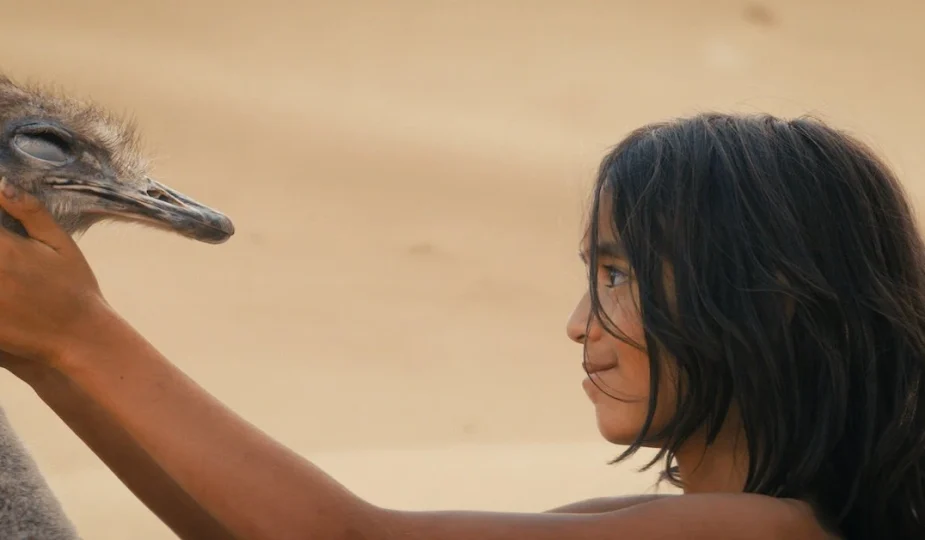
Gilles de Maistre, director best known for the emotional family hit “Mia and the White Lion,” returns with a film destined to capture hearts: “The Son of the Desert,” released in UK cinemas this spring. It tells the extraordinary true story of Hadara, a toddler who becomes separated from his mother during a sandstorm in the Sahara and is rescued — and raised — by a pair of ostriches. As a storyteller who began in documentary, de Maistre brings his trademark sensitivity to the relationship between humans and animals, crafting a film that is at once an adventure for families and a gentle meditation on belonging, survival and the surprising lessons nature can teach us.
A story born from curiosity and real encounters
The idea for the film started with a book and a chance meeting. De Maistre read the story during lockdown and was struck by its metaphorical power. He then discovered a Belgian woman who rescues and cares for ostriches — someone whose knowledge and trust with these birds made the project feasible. This real human connection allowed de Maistre to imagine how an authentic bond between a child and ostriches could be portrayed on screen without compromising safety or emotional truth.
What the film really explores
On the surface, the narrative is a classic survival tale: a lost child, extreme environment, unexpected guardians. But de Maistre’s film goes deeper. It examines what family means beyond blood ties, how language and care can be expressed through gestures, rhythms and trust, and how children absorb the world through play and imitation. Hadara’s upbringing among ostriches becomes a poetic allegory for the human capacity to adapt, learn and form attachments in the unlikeliest places.
Working with children and animals: a method rooted in patience
Filming with very young actors and non‑trained animals is no easy feat. The production relied on careful casting — the role of Hadara is shared among three children at different ages (2, 6 and 12) — and a considered approach to directing. The ostrich caretaker played a pivotal role, introducing the youngest child to the story through play, puppets and simple imaginative games so he would feel safe and engaged on set. De Maistre’s documentary background shines through: he seeks the unscripted moment, the small, authentic gesture that gives a scene life.
A visual and sensory experience
Visually, “The Son of the Desert” is designed to be immersive. The desert is shot as a living presence — vast, luminous and sometimes terrifying, sometimes tender. The cinematography uses wide vistas to convey scale, but it also lingers on tactile details: sand on tiny feet, the brush of feathers, the intimacy of a child’s breathing. These choices help the audience inhabit Hadara’s world, making the film as much a sensory experience as a narrative one.
Why it resonates with modern audiences
At a time when many of us are reconsidering our relationship with the natural world, this story feels particularly relevant. It challenges the idea of human dominion over animals and proposes instead a form of reciprocal care. Moreover, it speaks to modern conversations about alternative family structures and the many forms that love and protection can take. For parents, it’s an adventure with emotional lessons; for older viewers, it’s a reflective fable about survival and empathy.
What audiences can expect
Expect a film that balances wonder and realism. There are moments of tension (a child lost in the desert), sequences of play (children discovering the animals), and quiet scenes where human and bird communicate through small acts of care. The pacing respects the child’s perspective — curious, immediate, sometimes surprising — and the film avoids sentimental shortcuts. It invites families to watch together, to ask questions and to imagine the world from a slightly different angle.
Takeaways for families and young viewers
Why it matters in cinema today
De Maistre’s work occupies a unique niche: films that respect children’s intelligence while remaining accessible and moving for adults. “The Son of the Desert” continues this tradition. It reminds us that the most powerful stories are often those rooted in real human encounters and that cinema can bridge documentary truth and imaginative storytelling to create empathy. For viewers seeking a heartfelt, visually striking film that sparks conversation, de Maistre’s latest is a must‑see.