Why Bridgerton Feels So Romantic — and Why Real‑Life Love Looks So Different Now
Bridgerton’s lush gowns, ardent declarations and perfectly choreographed encounters have millions swooning — yet outside our screens, dating feels harder than ever. The contrast is striking: on one hand we binge a fantasy of sweeping romance, on the other we wrestle with dating apps, busy schedules and an appetite for independence. Romance hasn’t died, but it has evolved. It’s quieter, more pragmatic and often more meaningful. Here’s how modern love really works — and how to reclaim romance in everyday life.
Why period dramas are the ultimate emotional escape
Shows like Bridgerton function as emotional decompressors. They invite us into a world where feelings are amplified and daily pressures disappear. That phase of heady infatuation — the initial rush of attraction, the spotlight on desire — is inherently cinematic. Psychologists note that audiences are drawn to those early stages because they’re emotionally easy and satisfying: the other person is still idealised, every gesture is magnified, and complications are conveniently paused. For many viewers, these shows offer a restorative pause from the complexity of modern life.
From theatrical gestures to tiny, radical acts of care
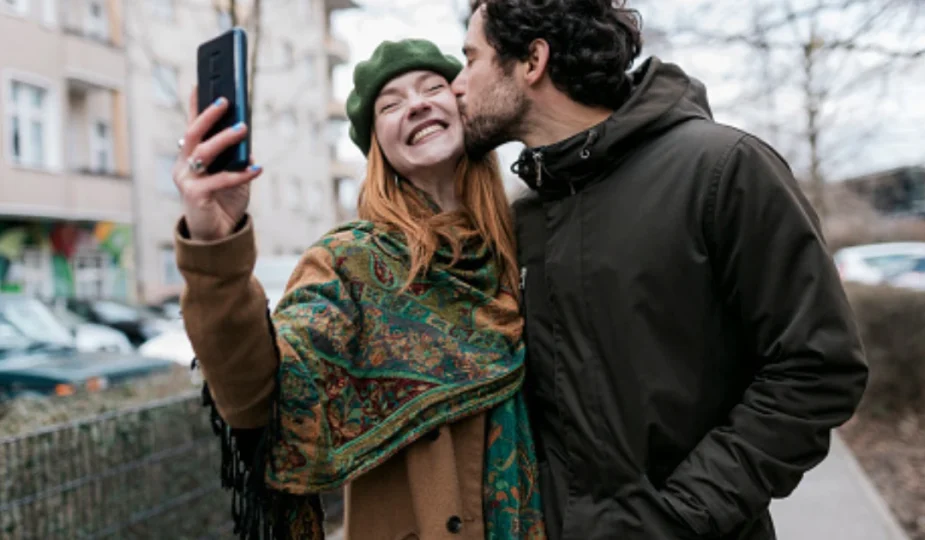
In real life, romance has shifted from grand gestures to sustained, practical expressions of care. A well‑timed message, an unexpected cup of tea, covering a chore without being asked — these acts are the new love letters. They’re less showy, but they accumulate. The modern romantic language centres on reliability and presence rather than performing passion on a grand stage.
Why dating feels so exhausting today
There are many structural reasons why meeting people is harder: long work hours, shifting social networks, and the paradox of choice generated by dating apps. Swiping introduces a consumer‑style approach to the heart — endless options, rapid judgment, and the fatigue of constant evaluation. That environment makes it tough to slow down and really get to know someone, which is where deeper romantic attachment is built.
The idealisation gap: why fiction and reality rarely align
Romantic dramas tend to halt at the delightful phase of falling in love — they don’t show bills, career stress, or the many compromises that follow. In real relationships, the “work” stage follows infatuation: negotiation, tolerance of flaws, alignment of life goals. This gap between the neat narrative on screen and the messy process in life can fuel disappointment. We expect fireworks and, when we get negotiation, we sometimes label it dull or disappointing.
Romance as intentional choice
One of the most important shifts is that modern romance often involves deliberate choices. People are more likely to prioritise emotional maturity, shared values and compatibility. The dramatic “soulmate” mythology is being tempered by the idea of partnership as a project — a conscious effort by two people who choose each other despite imperfections.
How to cultivate modern romance — practical tips
Romance that feels like care is revolutionary
In a culture that prizes productivity and speed, choosing to slow down and give undivided attention is radical. Romance in 2026 is less about ostentation and more about presence. It’s about building resilience together and showing up. That steadiness creates a different — but often deeper — beauty than any cinematic courtship.
When fiction helps, and when it harms
Fiction can inspire and remind us of emotional depth — but it can also set impossible standards. Use period dramas as mood‑boosters, not relationship blueprints. Let them remind you what you crave emotionally; then translate that craving into realistic, everyday acts that foster real intimacy.
For singles: how to stay hopeful without getting burnt out
For couples: how to keep the spark alive
Romance hasn’t vanished; it’s simply changing channels. The new romance is quieter, more practical, and often more resilient. If we stop waiting for a Duke to appear and start crafting micro‑moments of tenderness, we might find a kind of love that lasts far beyond the credits roll.