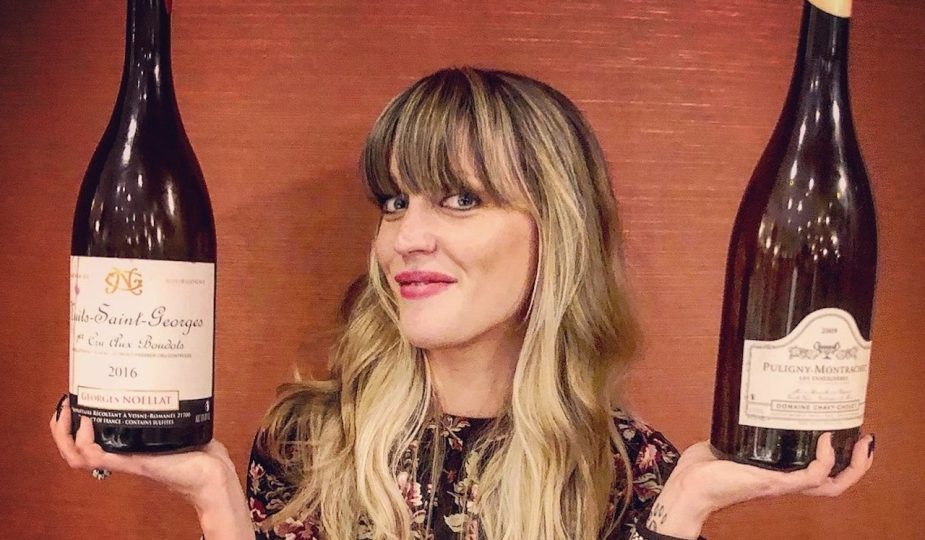
Cristina Mercuri has just made history as the first Italian woman to earn the Master of Wine title — a milestone that matters far beyond a personal accolade. For readers of Princess‑Daisy.co.uk who love good food, great wine and the stories of women reshaping industries, Cristina’s achievement is a beacon: it shows that passion, rigor and the courage to change course can open doors even in traditionally male domains. Here’s why her success matters, what the Master of Wine really involves, and how Cristina’s path might inspire a new generation of women in wine and hospitality.
What is a Master of Wine — and why is it so rare?
The Master of Wine (MW) credential is one of the most demanding and respected qualifications in the global wine world. It’s not a short course or a flashy certificate; think of it as the equivalent of a doctorate crossed with an elite sensory training regime. Candidates undergo years of study across viticulture, winemaking, wine business, tasting theory and practical blind tasting, plus a rigorous final dissertation. Passing the MW exams requires encyclopaedic technical knowledge and extraordinary tasting accuracy — and only a small number of candidates succeed worldwide each year.
Cristina’s route: from lawyer to wine authority
Cristina Mercuri’s background makes this story even more compelling. She began her professional life as a lawyer in prominent international firms, a career she later described as unrewarding. In 2015 she made a major change: she left law to pursue her passion for wine. That leap wasn’t impulsive — it was a deliberate reinvention that included founding the Mercuri Wine Club and building a serious track record in wine education and communication. Her blend of analytical discipline and sensory expertise proved to be a winning formula.
Why this breakthrough is significant for women in wine
The wine industry, especially at the technical and leadership levels, has long skewed male — from cellar masters to critics and boardrooms. Cristina’s MW title is more than symbolic: it’s proof that the highest standards of wine knowledge are attainable regardless of gender. The impact is practical and cultural:
What does her MW mean for Italian wine’s global voice?
Italy already leads in vineyard diversity, terroir richness and production volume. Yet when it comes to formalised tasting standards, trade strategy and global discourse, the influence has often been concentrated elsewhere. Cristina’s MW strengthens Italy’s authority in those conversations. She brings a deeply informed Italian perspective to tasting panels, trade negotiation and educational programmes — which can change how Italian wines are analysed, marketed and perceived globally.
Practical lessons from Cristina’s journey
For readers considering a shift into wine — whether as a hobby, second career or professional pivot — Cristina’s story offers several useful takeaways:
What the industry can do to accelerate change
While individual successes are inspiring, systemic change requires action from companies, schools and trade bodies. Practical steps include:
Why this moment matters culturally
Cristina’s MW is also a cultural milestone. It challenges a dated image of wine expertise as exclusive or inherited. Instead, it showcases wine as a profession where curiosity, technical mastery and communication skills converge — qualities widely found across the female workforce. For millennial and Gen‑Z women exploring career choices, the message is clear: excellence in wine is accessible, varied and rewarding.
How you can get involved — even as a wine lover
Cristina Mercuri’s success is more than a personal triumph — it’s a signal that the wine world is evolving. For readers who cherish good taste and meaningful role models, her story is a celebration of courage, dedication and the rich possibilities that open when a woman decides to remap her professional life around passion and expertise.