How to truly enjoy the mountains this winter — 5 expert tips and the must‑have app
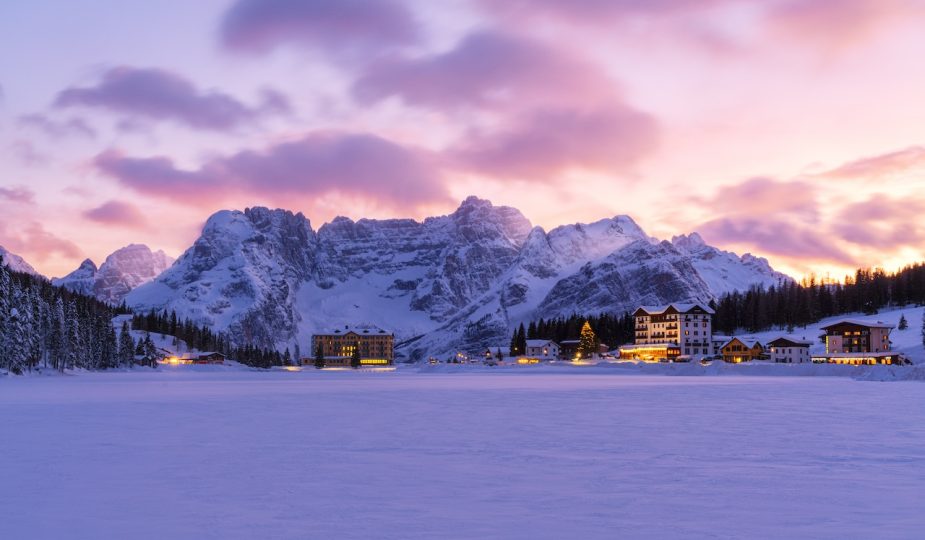
With Milan‑Cortina 2026 shining a spotlight on the Alps, many of us are dreaming of crisp air, snowy peaks and picture‑perfect moments. But mountain days require more than enthusiasm — they need planning, the right kit and a little tech to keep you safe and help you capture memories like a pro. Here are five practical tips drawn from experts and smart uses of today’s devices, plus a single app you should download before you go.
1. Plan smarter: download offline maps and study routes
Safety starts before you step outside. Use planning tools to map your route, check weather and avalanche forecasts, and estimate daylight hours. If you’re relying on your phone, download offline maps — cellular coverage is patchy on many trails. For high‑detail route planning and terrain insight, an app with an extensive trail database will let you study exposure, slope angle and alternative paths so you can choose an appropriate itinerary for your group’s fitness and experience.
2. Photograph like a pro: prepare your shots in advance
Mountain photography is as much about anticipation as it is about good light. Aim for sunrise or sunset for softer tones and dramatic shadows. Use a combination of ultra‑wide and telephoto lenses (on phones, this means switching between lens modes) to capture sweeping panoramas and distant action. Take advantage of features like burst mode to seize the decisive moment in sport shots, and dual capture modes that record both the landscape and your reaction simultaneously. Small tweaks — stabilisation, faster shutter modes, and choosing RAW when available — make a huge difference in post‑processing.
3. Know the peaks — even in whiteout conditions
Identifying the ridges around you isn’t just gratifying, it’s practical. A peak‑recognition app that uses your camera to name mountains in real time can help orient you and increase your situational awareness. In the worst‑case scenario — a whiteout with zero visibility — that same tool can be a lifesaver by confirming your position against offline data and by showing avalanche bulletins and translated safety notices.
4. Use wearable tech for active safety
Modern wearables offer features designed for remote outdoor use. Set waypoints before you head out and enable a “backtrack” or “return to path” function on your watch so you can navigate back if you stray. If you’ll be off‑grid, ensure your phone and watch have satellite SOS enabled; these systems can transmit distress signals even without mobile coverage. Always share your plan with someone at home and carry a charged power bank — cold drains batteries faster.
5. Capture action with intent: anticipate rather than react
Sports photography in the mountains — whether you’re filming skiing or capturing a friend’s descent — demands reading movement. Study competitors or companions to predict where the key moments will happen. Use burst or rapid sequence modes for stills, and a dedicated action or stabilised video mode for clips to avoid motion blur and shaky footage. Position yourself at likely focal points (jump lines, narrowing terrain) and shoot multiple frames to pick the most dynamic image later.
PeakVisor — the one app to bring along
If you download only one app before your mountain trip, make it a comprehensive peak and trail app. PeakVisor, for example, identifies peaks from your camera in real time, contains an extensive database of trails and ski touring routes, and allows you to download detailed offline maps. It also offers slope and exposure data — useful for assessing avalanche risk — and can display local avalanche bulletins in your language. For both safety and exploration, a feature‑rich mapping app is essential.
Packing checklist: tech and essentials
Camera and phone tips for mountain shooting
Use macro mode for tiny details like frosted patterns on a pinecone, and switch to ultra‑wide for dramatic landscapes. Try the dual capture mode to keep a record of both the scene and your reaction. When filming motion, activate the action mode to stabilise footage and avoid the jerky results that come from handheld video in snow conditions.
Practical safety behaviours to adopt
Style tip: mountain chic that works
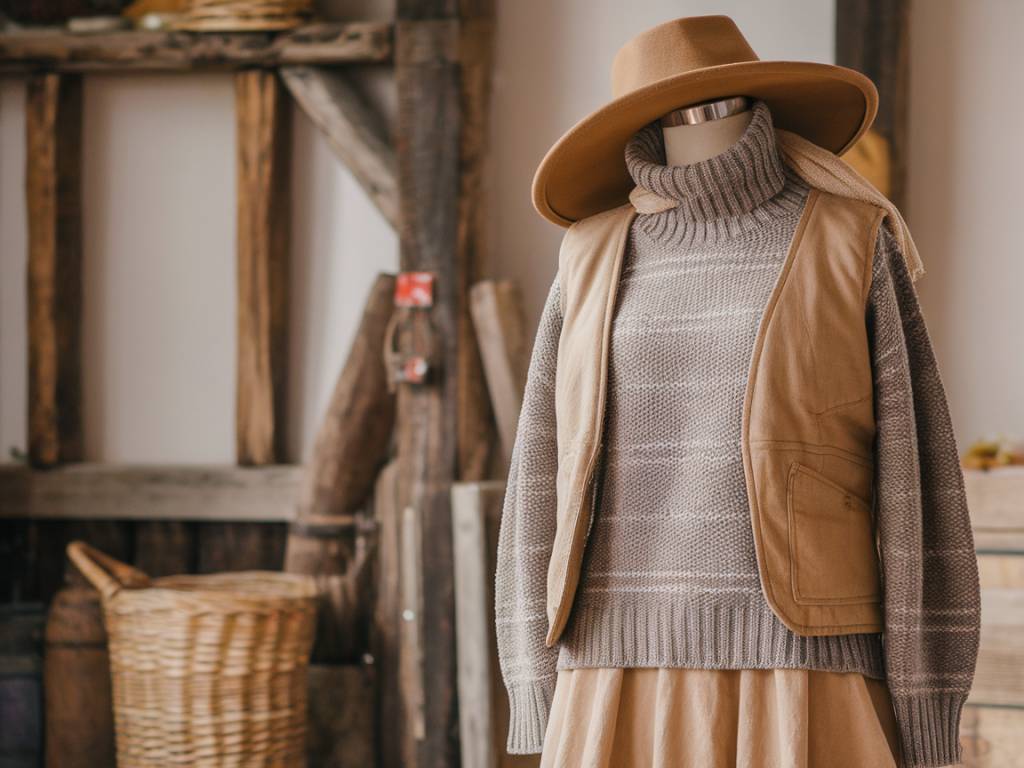
Want to look great without sacrificing function? Think mountain chic: a technical down jacket with a tailored cut, a merino base layer in a flattering tone, and a neat pair of trekking boots or insulated sneakers. A compact scarf and a well‑fitting beanie finish the look while keeping you warm for post‑hike coffee stops or Olympic fan zones.
Leave no trace
Finally, remember that mountain landscapes are fragile. Stick to established paths, pack out what you bring in, and respect wildlife and signs. By combining thoughtful planning, smart tech and a respect for the environment, your mountain day will be safer, more rewarding and more photogenic.