
“Cuori 3” brings women’s medical pioneers into the spotlight — why this season matters
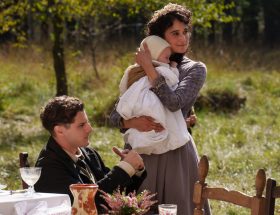
The third season of Cuori launches on Rai1 on 1 February and returns to the wards of Molinette hospital with a time jump of five years. Set in 1974, this new chapter places Dr Delia Brunello — played by Pilar Fogliati — at the centre of a story about medical breakthroughs and social upheaval. For viewers who enjoy character‑driven drama with historical resonance, Cuori 3 promises to be both moving and thought‑provoking: it’s a medical series that doesn’t shy away from the personal cost of progress, especially for women in medicine.
Delia Brunello: a character who represents real women’s history
Delia is more than a fictional surgeon; she’s a conduit for a generation of women whose professional contributions were often overlooked. Pilar Fogliati describes Delia as an opportunity to “go back in time” and bring to life the stories of those who fought for rights and recognition. Playing Delia has given Fogliati a chance to explore how far women have come — and the struggles behind that progress. That personal connection shines through on screen, making Delia a figure viewers can root for and learn from.
1974: a rich historical moment for medicine and society
The year 1974 is a powerful narrative choice. On the medical front, it was a period of rapid innovation: the emergence of intensive care units, new coronary bypass techniques and early experiments that paved the way for angioplasty. Socially, Italy was grappling with major changes — the women’s movement and heated debates around divorce were reshaping everyday life. This dual context creates tension and depth: doctors are pushing the boundaries of what’s possible clinically, while society is redefining who is allowed to have a public, professional life.
Workplace realism: the pressures of pioneering medicine
Cuori 3 digs into the professional realities of clinicians working on the front lines of cardiology. The series shows the moral weight of life‑and‑death decisions, the technical excitement of new procedures and the administrative hurdles that slow innovation. For audiences, these elements make the medical scenes feel authentic: the focus is not merely on spectacle but on the painstaking process of scientific progress.
Gender, family and hidden choices
At the heart of the drama are the private lives of physicians. Delia and her husband face the classic conflicts many professional couples experienced: career versus childbearing, long shifts versus domestic expectations. Fogliati points to a specific line of social pressure — “if you want to get pregnant, you must stop working” — as a cultural reality of the time. These tensions are not just period details; they resonate today as ongoing conversations about parental leave, workplace support and the division of labour in families.
Politics and social debate: the referendum on divorce
Cuori 3 places its characters amid real historical debates. The question of divorce, still controversial in 1974 Italy, appears as a backdrop that shapes characters’ choices and the public mood in which they live. The series uses these political flashpoints to highlight how public policy touches private lives, and to show how progress in one domain (medicine) often outpaces social norms elsewhere.
Why the female perspective matters in a medical drama
Medical dramas often celebrate heroic surgeons without deeply examining who stands behind the scrubbed faces. Cuori 3 gives voice to women physicians and other female professionals — nurses, translators, administrators — whose roles were essential for the functioning of hospitals but rarely recognised. This season elevates those voices, offering a more complete picture of medical history and showing that innovation is collaborative, not just the work of a few famous names.
Pilar Fogliati’s performance: nuance and authenticity
Fogliati brings warmth and resilience to Delia. Her portrayal balances professional competence with vulnerability, creating a heroine who learns through mistakes and small victories. This nuanced performance helps the viewer empathise with the character’s internal conflicts and understand the subtler forms of bravery required of women working in male‑dominated fields during the 1970s.
Takeaways for viewers — beyond entertainment
Cuori 3 is not only a period medical drama; it’s an invitation to reflect on the structures that shape our careers and relationships today. The series suggests three practical ideas for modern audiences: advocate for better workplace support for parents, recognise the value of collaborative labour in high‑pressure professions, and appreciate the history of the struggles that expanded access and rights for women. For those who love a good binge, Cuori 3 offers emotional payoff alongside food for thought.
What to watch for in this season
In short, Cuori 3 blends medical intrigue with social realism, presenting a world where the operating theatre and the kitchen table are equally battlegrounds for progress. For Princess‑Daisy readers, the series is a compelling reminder of how far women have come and how much of that progress rests on the shoulders of those who fought — and continue to fight — for visibility and respect in every profession.