This £15 Magnesium Sleep Spray: Hype, Science, and Real-World Results
If you’ve scrolled through TikTok or Instagram recently, you’ve probably seen it. A £15 magnesium sleep spray, misted over pillows, legs and torsos, promising deep, restorative sleep without the need for tablets. It’s selling out on beauty sites, popping up in wellness hauls, and quietly replacing many people’s nighttime supplement routines. But can a few spritzes of a magnesium spray really replace your usual magnesium pills?
Sleep products trend fast. Some vanish just as quickly. Magnesium, however, is not a fleeting ingredient. It’s one of the most researched minerals in the world of relaxation and nervous system support. The question is not whether magnesium can help with sleep. It’s whether a topical magnesium spray can deliver enough of it, in the right way, to make a difference — and whether it’s worth swapping your capsules for a £15 bottle of mist.
What Is a Magnesium Sleep Spray and How Does It Work?
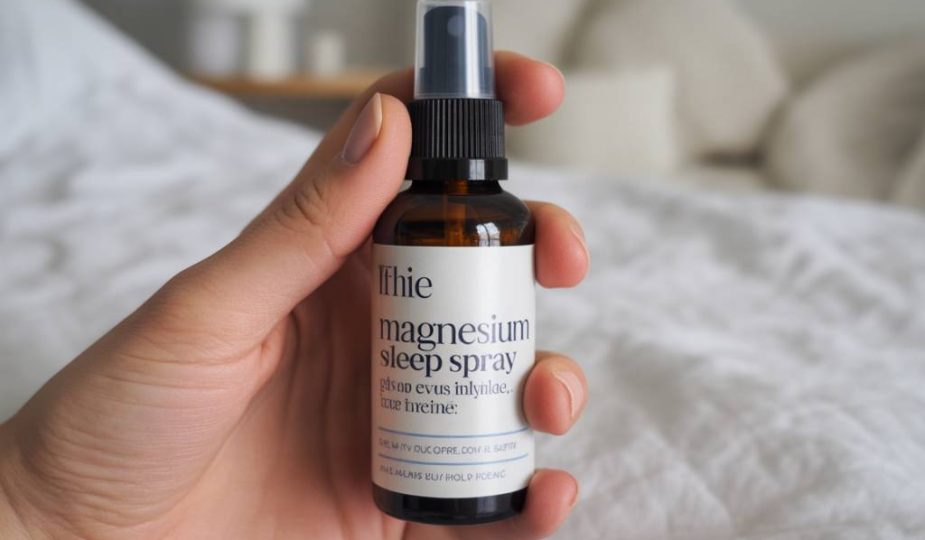
A magnesium sleep spray is typically a topical product that you spritz directly onto your skin before bed. Most formulas are based on “magnesium oil” — usually magnesium chloride dissolved in water — sometimes blended with soothing ingredients such as lavender, chamomile, or vetiver essential oil.
The idea is simple yet appealing: instead of swallowing a pill, you spray magnesium onto your skin, massage it in, and allow the mineral to absorb transdermally (through the skin). Many overnight magnesium mists are marketed as:
For sleepers who already take several supplements at night, the promise of “sleep in a spray” sounds almost too good to be true. Especially when it costs about £15 and slots seamlessly into a bedtime routine.
Magnesium for Sleep: What the Science Actually Says
Magnesium plays an essential role in more than 300 biochemical reactions in the body. Many of them are linked to relaxation, muscle function and the nervous system. When it comes to sleep, magnesium is known to:
Several small clinical trials have suggested that magnesium supplements can improve aspects of sleep quality, particularly in older adults or those with low magnesium levels. Participants often report falling asleep more easily, waking less frequently and feeling more rested.
Where things get more complex is the delivery method. Most research has focused on oral magnesium — tablets, powders, capsules. Studies specifically examining magnesium sprays and transdermal application are far fewer, and the evidence is still considered limited and mixed.
That doesn’t mean a magnesium sleep spray cannot work. It means we’re more reliant on user experience, formulation quality and indirect science than on large clinical trials when it comes to topical products.
Can Topical Magnesium Spray Replace Nighttime Magnesium Pills?
This is the big question behind the £15 magnesium sleep spray trend. If you already take magnesium glycinate or citrate capsules at night, is it realistic to swap them for a few spritzes of a mist?
Here’s what current knowledge and expert opinions generally suggest:
For most healthy adults who simply want a gentler, more ritual-focused way to wind down, a good magnesium spray can be a useful alternative or complement to pills. For those with clinically low magnesium levels or recommendations from a healthcare professional, oral supplements are still usually considered the more reliable way to correct a deficiency.
In other words, a £15 magnesium sleep spray can sometimes replace nighttime pills for light, lifestyle-driven sleep support. But it may not be a full substitute if you rely on specific, measured doses of magnesium for health reasons.
Why Is This £15 Magnesium Spray Selling Out Everywhere?
If you check leading beauty and wellness retailers, you’ll notice many magnesium sleep sprays hovering around the £12–£20 bracket. The ones that keep selling out tend to share a few characteristics:
Social media has amplified this appeal. Quick videos showing “before and after” sleep tracking, or influencers spritzing their legs before slipping into silk sheets, make the experience look sensorial and aspirational. A magnesium spray becomes not just a supplement delivery method, but a lifestyle object.
For many shoppers, that’s enough. The combination of a tangible bedtime ritual, a pleasant scent and the promise of mineral support is compelling, especially at a mid-range price point like £15.
Key Ingredients to Look For in a Magnesium Sleep Spray
Not all magnesium mists are created equal. When you’re evaluating whether a £15 bottle is worth adding to your bedside table, it’s worth scrutinising the INCI list (the ingredients panel) rather than just the marketing.
Look for:
High-performing magnesium sprays often manage a balance between effective mineral content and a pleasant sensorial experience. That balance can justify the £15 price tag for regular nightly use.
Real-World Benefits: What Users Report from Magnesium Sleep Sprays
User reviews, while anecdotal, paint a fairly consistent picture of what many people experience after a few nights of using a magnesium sleep spray:
Interestingly, several reviewers report that the biggest difference is not necessarily measured sleep time, but the way they feel mentally. A spritz-and-massage ritual, repeated each night, becomes a powerful psychological cue that the day is over. When paired with a mild sedative effect from magnesium and soothing scent notes, the overall effect can feel stronger than the sum of its parts.
Of course, not everyone is convinced. Some users note minimal change compared to their usual sleep patterns, or say the spray feels sticky or causes mild skin tingling. This is where formulation and personal sensitivity really matter, and where a mid-range £15 trial bottle makes more sense than investing in a large, pricey set from the outset.
How to Use a Magnesium Sleep Spray for Best Results
To give a magnesium sleep mist a fair trial and see if it can realistically replace your pills, consistency is key. Most brands and sleep experts suggest the following approach:
Many people find that spraying magnesium on the legs and feet feels particularly comforting, especially if they experience nighttime restlessness. Others prefer the torso or back of the neck. There’s no strict rule; experimentation is part of the process.
If you’re switching from capsules to a spray, consider overlapping both for a week or two, then tapering off the pills while monitoring how you feel. If your overall sleep quality remains stable or even improves, the spray may be doing enough for your needs.
Is a £15 Magnesium Sleep Spray Worth Adding to Your Routine?
For shoppers weighing up the purchase, the decision often comes down to three factors: budget, expectations and existing routines.
At around £15, a magnesium sleep spray sits in the same price bracket as a mid-range night serum or a luxury candle. It’s not the cheapest way to get magnesium — pills and powders typically offer more milligrams per pound — but it delivers an experience that capsules simply don’t provide.
If you are expecting a miracle cure for chronic insomnia, this kind of product is unlikely to deliver. If you’re looking for a gentle, sensorial adjunct to already solid sleep hygiene, it can be a smart buy. Especially if you dislike swallowing tablets or want to streamline your nighttime supplements.
In many ways, the success of this £15 magnesium sleep spray trend reflects a broader shift. Consumers are no longer satisfied with products that simply “work” on paper. They want rituals that feel good, smell luxurious and fit naturally into their routines, all while supporting wellbeing.
Magnesium remains one of the most reliable minerals for relaxation. Whether you choose to get it from a capsule, a powder or a chic glass bottle with a fine mist pump will depend on how you like to end your day. For a growing number of sleepers, a few quiet spritzes of magnesium spray are now the final step before turning out the light — and, for many, that small ritual is making all the difference.