Meet Alessia Succo: the 17‑year‑old schoolgirl sprint sensation taking on the world’s hurdles elite
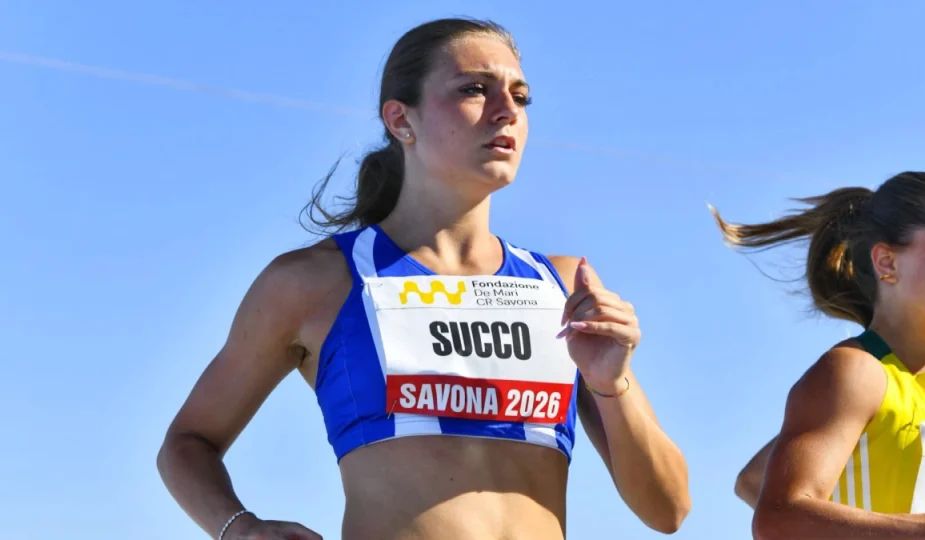
At just 17 years and a few months, Alessia Succo from Settimo Torinese has gone from regional prospect to international talking point. Her call‑up to the Golden Gala Pietro Mennea in Rome – a Diamond League meeting – came at the last minute to replace France’s Cyréna Samba‑Mayela. Overnight she became the youngest Italian ever to line up in a Diamond League final. This is no fairy tale: it is the result of meticulous work, technical refinement and a balance between school life and elite sport that many would find inspirational.
How she runs: technique over brute force
Watch Alessia on the track and one thing stands out: she doesn’t “smash” the hurdles, she glides over them. Her technique minimises flight time and prioritises an immediate, powerful landing, so she regains speed off the track faster than many rivals. That economy of movement is a hallmark of great hurdle technique — reducing time over the barrier by hundredths of a second accumulates into massive gains over ten hurdles.
Results that speak volumes
Alessia’s recent times underline her rapid rise. At the European U18 championships in Bressanone she recorded 12.86 in the 100m hurdles, equalling the European U18 record and positioning herself among the top performers ever in her age group worldwide. Earlier in the season she ran 8.05 in the indoor 60m hurdles — a mark that shattered the world U20 indoor standards and signalled she can mix training intelligence with raw speed.
From cross country to sprinting: a thoughtful evolution
Her move from longer distances to pure sprinting wasn’t a sudden pivot but a calculated transition. Training for speed, block starts and hurdles requires a different neuromuscular profile and a refined technique. Alessia and her coach Pierluigi Crisai have shaped that progression carefully: structured winter training in Ancona, a focus on explosive power and technical drills that keep improving her rhythm and clearance. The result is a young athlete who blends explosive natural ability with a high technical IQ.
School, sport and the art of balance
What’s perhaps most striking is her ordinary‑life discipline. Alessia attends an institute for surveyors in Turin — a switch from a scientific track to better accommodate training. Her school arranges work around training sessions, and her routine — planning homework, training, competing — gives her structure and anchors her mentally. For many young athletes, maintaining a normal school rhythm provides emotional stability and a buffer from social media pressure and hype.
Maturity beyond her years
Alessia’s attitude highlights a generational shift in athletics. Rather than fuel manufactured rivalries, she speaks about camaraderie with peers such as Kelly Doualla, emphasising mutual support and collective improvement. She names Sydney McLaughlin‑Levrone as an idol — not simply for medals, but for resilience: managing injury, rebuilding and sustaining elite performance. That emphasis on character over raw talent is a hallmark of athletes built to last.
The technical leap at the Golden Gala
The Golden Gala poses a crucial technical challenge: the hurdle height for seniors is 84cm, up from the 76cm used in youth categories. This change affects the second leg technique and requires adjustments in stride pattern and power distribution. Alessia will face world‑class opponents — Danielle Williams, Megan Simmonds, Kendra Harrison and others — athletes who have long established sub‑12.40 personal bests. Racing against them at the Stadio Olimpico is both a test of skill and a priceless learning opportunity.
What to watch for in her race
What the future might hold
Alessia’s path should be managed carefully: gradual exposure to senior events, controlled increase in competition load and an ongoing focus on injury prevention and recovery. The step from junior to senior success demands careful periodisation, smart physical conditioning and psychological support. If those elements are aligned, the potential is enormous: a young athlete with both the technique and the mindset to evolve into a global contender.
For parents and young athletes: lessons from Alessia
A symbol of a new athletic generation
Alessia Succo is more than a promising time on a results list: she is a model of how talent combined with sensible coaching, school support and personal maturity can produce extraordinary results. At the Golden Gala, whether she wins or simply takes the lessons of running with the best, she will have shown a generation of young athletes the value of balance, craft and calm ambition.