
Why ’90s TV still rules our screens — and the must‑watch shows to binge now
The 1990s reshaped television in ways that still ripple through our viewing habits today. From bold American dramas to quintessential Italian miniseries, the decade introduced formats, characters and storytelling techniques that became cultural touchstones. For anyone who grew up with these shows — or discovered them later — the ’90s offer a mix of comfort, daring and pure entertainment. Here’s why these series remain essential and which ones you should add to your watchlist.
Why the ’90s were a turning point
Several forces converged in the 1990s: cable channels grew, youth culture became a major programming target, and writers experimented with serialized storytelling and complex characters. Networks were willing to take risks — producing teen dramas that tackled real issues, animated shows that skewed adult, and comedies that redefined how we laugh. The result was a generation of TV that felt both intimate and expansive.
Signature genres that defined the decade
Iconic American shows — what to rewatch and why
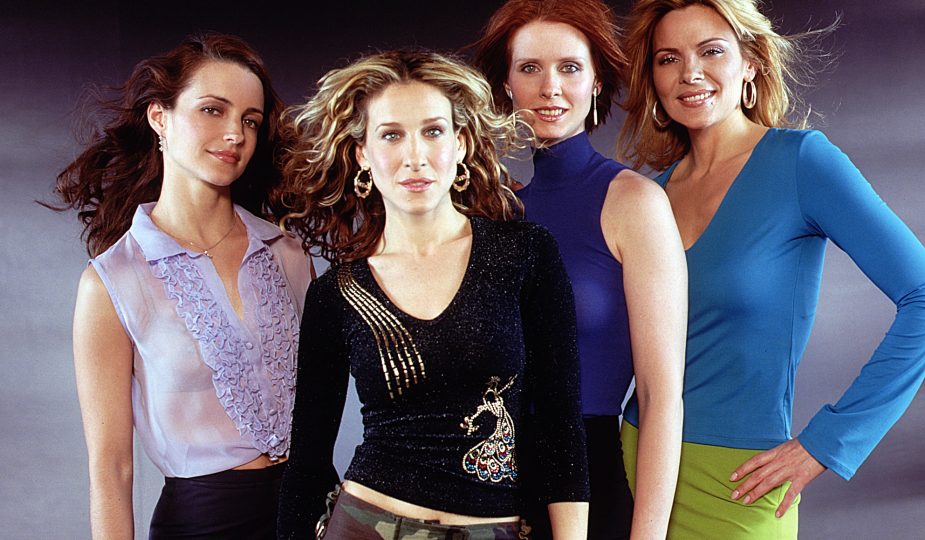
Sex and the City (1998): A late‑’90s arrival that nonetheless captures the era’s appetite for frank, female‑led narratives. It reshaped how TV portrayed women’s friendships, careers and sexuality, and influenced fashion and culture for decades.
Friends (1994): The defining sitcom of the decade. Its blend of warmth, quick wit and memorable characters made it a comfort show for millions — and its cultural echoes are everywhere.
X‑Files (1993): Mulder and Scully turned paranormal investigation into a storytelling engine with season‑spanning arcs, a tone of creeping dread and a curious mix of standalone and mythology episodes.
Baywatch (1990): More than lifeguards sprinting in slow motion — it became a global pop phenomenon and a visual shorthand for the decade’s glossy, aspirational TV.
The Simpsons (1990): Satire in animated form, fearless and long‑running, lampooning everything from family life to politics with razor sharpness.
British and European gems worth remembering
While the U.S. dominated global exports, British comedy like Mr. Bean offered universal humour through physicality and minimal dialogue. Across Europe, local productions such as Italy’s Fantaghirò and family dramas like Un medico in famiglia provided regionally resonant storytelling, blending tradition, fantasy and everyday life.
What made these shows so powerful
How the ’90s shaped today’s television
Contemporary streaming dramas and comedies owe a lot to the experiments of the ’90s. Serialized narratives (X‑Files), ensemble comedies (Friends), and female‑driven dramas (Sex and the City) paved the way for nuanced, bingeable TV. The decade taught creators that audiences would commit to long arcs, complex characters and serialized rewards.
Top ’90s picks for your next binge
Why revisit these shows now?
There’s nostalgia, of course — but also perspective. Rewatching a ’90s series reveals cultural anxieties, style, and storytelling choices of the time. It’s a lesson in how television can reflect society, shift boundaries and entertain across decades. For fans of fashion, drama, satire or pure escapism, the ’90s remain a treasure trove.
How to watch
Whether you’re revisiting old favourites or discovering them for the first time, the best ’90s series continue to entertain, provoke and inspire. They remind us that great TV blends character, risk and heart — and that some stories simply keep giving.